
 Bridging the Gap: How End–of–Life Doulas or Death Doulas Work with Hospice and Palliative Teams
 Bridging the Gap: How End
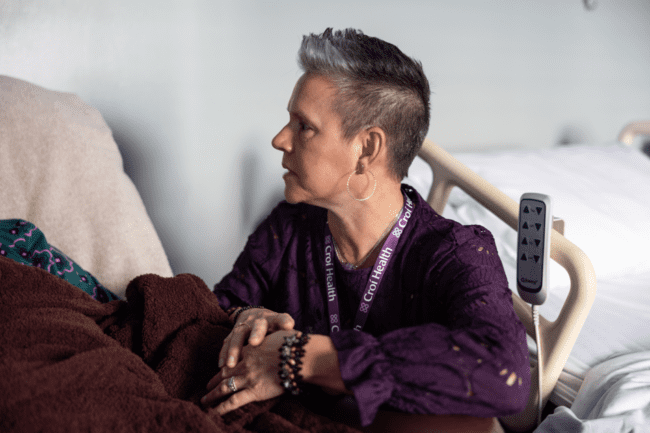
A death doula is also known as an end-of-life doula or death midwife. While end-of-life care has traditionally focused on medical management and comfort, there is a growing understanding of holistic care that highlights the need for emotional and spiritual support, too. This is where an end-of-life doula comes in, providing non-medical companionship that complements the services of hospice and palliative care teams. This article will explore the role of a death doula, clarifying the distinction from hospice and explaining how these two forms of care can work together seamlessly.
What is a Death Doula?
A death doula is a trained professional who provides non-medical, holistic support to people who are dying and their families. The role is similar to a birth doula, who supports a person through the birthing process.
The primary function of an end–of–life doula is to provide emotional, spiritual, and logistical support. This can include:
- Emotional Support: Being a consistent, compassionate presence to listen and help the person and their family process their emotions and fears.
- Spiritual Guidance: Helping the dying person explore their beliefs, find meaning, and reflect on their life. This is not tied to a specific religion but is about personal peace and comfort.
- Practical Assistance: Helping with tasks like creating a legacy project (e.g., a memory book), documenting final wishes, organizing music or an atmosphere for the final days, and even providing grief support to the family after death.
- Advanced Care Planning: Clarifying goals and values while discussing end-of-life wishes, helping to organize important documents, and encouraging conversations with loved ones.
- Family Support: Coaching family on how to be present with their dying loved one, Providing respite through companionship, and offering emotional support after death until bereavement services begin.
Death Doula vs. Hospice: A Complementary Relationship
This is a crucial distinction. Hospice care is a medical service for those with a terminal illness who have an expected lifespan of six months or less. A hospice team consists of nurses, social workers, chaplains, home health aides, and volunteers, all supported by a Hospice Medical Director (physician). Their main focus is on pain and symptom management, ensuring the patient’s physical comfort.
An end-of-life doula provides a non-medical service. They do not administer medication or perform medical tasks. Instead, they provide additional holistic care and crucial continuity for patients and families across all of their support systems, both medical and non-medical, while centering the patients’ unique needs at all times.
Think of it this way: the end-of-life doula creates an even more robust and holistic support system as families navigate this emotional journey.
Spiritual End-of-Life Support
Spiritual end-of-life support is a key component of an end-of-life doula’s work. It’s not about religion unless the person wishes it to be. Instead, end-of-life doulas work alongside hospice chaplains to address a person’s deeper questions and needs as they near the end of life. Chaplains receive different training than end of life doulas, and both offer invaluable personalized spiritual support. Doulas may offer complementary flexibility to delve deeper in unexpected moments when patients need or want it most.
This type of support helps a person:
- Find meaning and purpose in their life story.
- Identify sources of hope and strength.
- Feel a sense of connection and belonging, rather than isolation or fear.
- Express their deepest fears or wishes in a safe, non-judgmental space.
A doula can facilitate these conversations, ensuring the person’s final days are filled with peace and dignity.
A Dignified and Supported Transition
We are proud to have a number of clinical and administrative team members who have earned their EOLD certification, further enhancing the support we provide.
If you or a loved one are navigating a terminal diagnosis and want to explore holistic care options, Croí Health is here to help. We believe in compassionate, dignified care that honors every stage of life by addressing the physical, emotional, and spiritual needs of every family we serve. Contact us to learn more about our services and how we can support you.
